





The city authorities expect a billion baht in revenue, but the hotel industry fears high rates and damage to the region’s attractiveness.
The Bangkok Metropolitan Administration (BMA) is considering introducing a three-per cent tourism tax on hotels and other accommodation establishments. The BMA estimates that this measure could generate approximately 1 billion THB (approximately USD 27 million) in annual revenue for the city. Bangkok Governor Chadchart Sittipunt previously proposed amending the BMA Act to grant the capital the authority to levy the new local levy. Currently, the BMA lacks the legal authority to impose such a hotel tax, although provincial administrative organisations already have that authority.
Position of the Thai Hotels Association (THA)
In response to this initiative, the Thai Hotels Association (THA) expressed understanding of the need to increase revenue but insisted on a more moderate starting rate of 0.5-1%. THA President Thienprasit Chaiyapathran noted that the proposed 3% would be an excessive burden on businesses amid slowing tourism growth. He emphasised that the hotel industry continues to face volatile energy prices and high transportation costs, which hinder a full recovery.
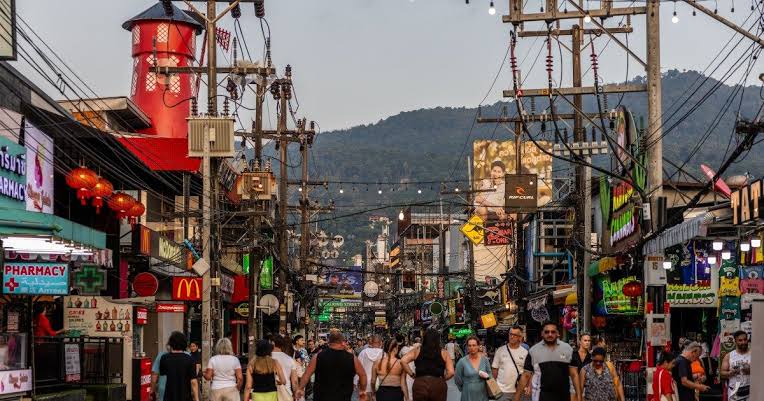
The current Provincial Administrative Organisations Act of 1997 allows these entities to charge guests a tourism tax of up to 3% of the room rate. However, Thienprasit Chaiyapathran pointed out that tax rates vary by province, and most do not apply the maximum 3%. He cited Phuket as an example, where the current rate is 1%, although there have been proposals to increase it to 3%.
Association representatives expressed concern that introducing the new tax could force hoteliers to raise room rates to cover the additional costs, which, in turn, could negatively affect Thailand’s attractiveness to tourists. The association also urges the BMA to consider mechanisms for reinvesting tax revenues into the hospitality and tourism industry, for example, by supporting sustainability standards or funding marketing campaigns.
The problem of illegal accommodation facilities
One of the key issues raised by the THA is unfair competition from illegal accommodation providers. These businesses, lacking the proper licenses, successfully evade taxes and fees. According to Thienprasit Chaiyapathran, most rooms in Bangkok offered through online travel agencies are in illegal properties.
The THA president expressed concern about guest safety in these modified buildings, which often fail to meet safety standards. He questioned how the BMA plans to combat illegal operators, as raising taxes on legitimate businesses without addressing this issue will only exacerbate the imbalance. This puts legitimate businesses at a disadvantage: they must comply with all regulations and pay additional fees, while illegal competitors continue to operate outside the legal framework.
The state of Thailand’s tourism sector
As of August 1 of this year, Thailand welcomed 18.5 million foreign tourists, a 3% decrease compared to the same period last year. Total tourism revenue amounted to THB 896 billion (approximately USD 24.5 billion). These statistics highlight the tourism sector’s fragility and the need for a careful approach to any changes that could affect its competitiveness.
Additional BMA tax proposals
In addition to the hotel tax, the BMA also proposed raising the land and building tax rate for agricultural land. This move is intended to encourage more productive land use and eliminate loopholes that allow landowners to avoid taxes by symbolically planting a minimum number of crops. However, Thienprasit Chaiyapathran said such an adjustment could encourage some owners to sell their plots instead of investing in new projects, especially if their locations are not commercially attractive. He noted that investing in new projects may prove unviable, as land tax is calculated based on the asset’s value and location, not actual business income.
Read More Articles Here
Read More Articles Here