







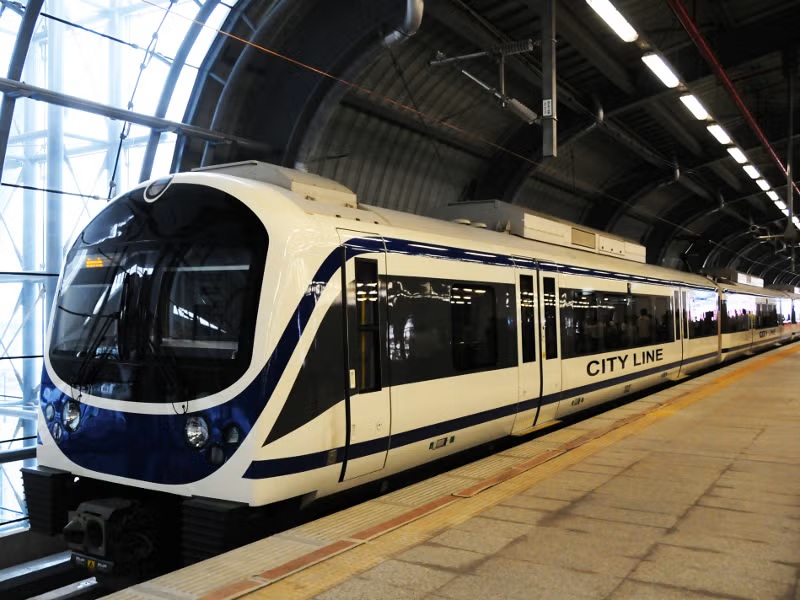
Thai Railways to boost passenger numbers at U-Tapao Airport.
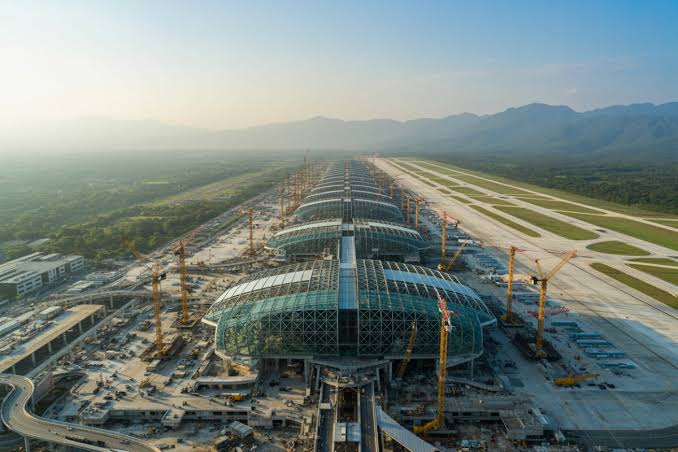
The rail network connecting the capital’s three airports is essential to developing an aviation hub in the Eastern Corridor, underscoring its strategic importance for regional growth.
Operators in Thailand’s tourism sector highlight that a well-developed rail network is crucial for reaching U-Tapao Airport’s planned capacity, as it directly influences visitor numbers and regional appeal.
Tanet Supornsahasrungse, President of the Chonburi Tourism Federation Association, emphasised that a rail link connecting the three key airports—Don Mueang, Suvarnabhumi and U-Tapao—remains vital, regardless of its speed. The project, originally conceived as a high-speed line, faces uncertainty and may be revised.
Mr Tanet stresses that maintaining a rail system providing convenient links between the three airports is vital, especially within the framework of the ‘Eastern Aviation City’ project under the Eastern Economic Corridor (EEC), which aims to attract up to 60 million passengers annually.
The Eastern Economic Corridor (EEC) is a large-scale initiative by the Thai government aimed at developing the three eastern provinces (Chonburi, Rayong and Chachoengsao) as a centre for innovative technology, investment and tourism. U-Tapao Airport, located in Rayong, is the cornerstone of this project, which is set to become a major international aviation hub.
Tourism industry representatives see the rail link as essential not only for U-Tapao’s growth but also for boosting regional tourism and easing congestion at Bangkok’s airports, creating a more connected future.
During the low season, the situation in the tourism sector in the East remains sluggish. Tourists undertaking long-haul flights are showing hesitation, despite the resumption of flights by Middle Eastern airlines. This is due to a general loss of confidence in planning international travel, particularly amongst the 70 per cent of travellers who usually use Middle Eastern transit hubs because of lower fares compared with direct flights from Europe.
The unstable situation in the region is causing concern, and airfares have risen by an average of 40 per cent since the unrest began. In addition, the number of Russian tourists arriving on direct charter flights to U-Tapao Airport is expected to fall, due to rising fuel prices.
For the upcoming high season, only two out of four Russian tour operators have confirmed the resumption of their charter programmes. The others have opted to work with scheduled airlines operating flights to Bangkok, from where tourists make their own way to their final destinations.
Industry sources note that recent regional unrest and economic challenges have not significantly affected the tourism market, which remains resilient despite external uncertainties.
Against this backdrop, the Indian market remains stable and has not been affected by recent events. The Chinese market, by contrast, is showing growth of 15–20 per cent, although its structure has changed: large tourist groups are giving way to independent travellers, who now account for up to 70 per cent of all arrivals from mainland China.
A convenient rail network could also help to expand the domestic tourism market, which currently accounts for the majority of visitors to Pattaya. However, traffic problems are still observed at weekends, as most local tourists prefer not to travel on weekdays.
June and September are traditionally considered the quietest months of the year, in contrast to July and August, when school holidays drive market growth. If the Minister for Tourism and Sport can implement the plan to launch a tourism co-funding scheme next month, as promised, tour operators will be able to avoid losses as significant as those seen last June.
Read More Articles Here
Read More Articles Here