









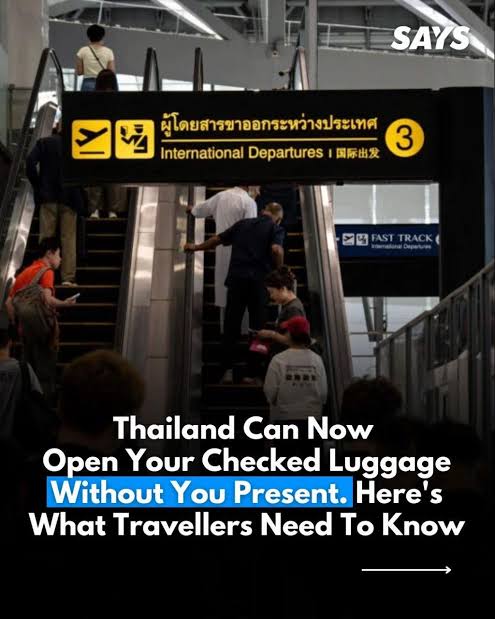
From mid-autumn, the aviation regulator will be able to inspect checked-in luggage to improve flight safety.
From 16 October 2024, the Thai authorities will have the right to open air passengers’ checked-in luggage without their consent. This measure is being introduced to ensure flight safety. The Civil Aviation Authority of Thailand (CAAT) has emphasised that all inspections will be carried out in strict accordance with established regulations. The new measure applies only to bags and suitcases that are checked into the aircraft’s hold, have passed through X-ray screening, and are suspected of containing prohibited items or substances that could potentially threaten the safety of the aircraft.
Security will open suspicious luggage in specially designated areas. The entire process, from start to finish, will be recorded on video, and the necessary evidence will be gathered. This ensures transparency and enables further monitoring of security staff’s actions. Luggage owners will be notified once the inspection has been carried out.
In this regard, CAAT strongly recommends that travellers use luggage fitted with certified TSA (Transportation Security Administration) locks. These locks allow airport security staff to open suitcases using a universal master key without damaging the lock or the luggage itself. This approach provides convenience for passengers and enhances the efficiency of security operations, eliminating the need to break locks or delay the screening process.
Representatives of the regulator explained that this practice is an international standard and is already successfully implemented in many countries around the world. These include Singapore, Japan, South Korea, the United States, as well as many countries in Europe and the Middle East. The introduction of this rule significantly speeds up the screening process and helps to avoid flight delays. Airport staff will no longer have to call luggage owners before opening it, a process that previously took considerable time.
Information about the upcoming changes was first published back in February this year. This gave stakeholders, including airlines and airport operators, sufficient time to prepare for the new procedure. Passengers, in turn, were able to familiarise themselves with the new baggage screening rules and choose suitable locks. Consequently, the introduction of this measure did not come as a surprise to those involved in the aviation sector.
Once the new screening rules come into force, passengers with queries or complaints about the opening of their luggage can submit relevant reports via a dedicated portal run by the Thai Civil Aviation Authority. This provides a feedback mechanism and ensures compliance with procedures, underscoring the authorities’ commitment to balancing security with passengers’ rights. These measures form part of ongoing efforts to improve aviation security in Thailand, bringing it into line with global best practice.
Read More Articles Here
Read More Articles Here