







The authorities are increasing subsidies for propane-butane, keeping the cost of fuel and goods down until the end of October at the expense of the fund’s reserves.
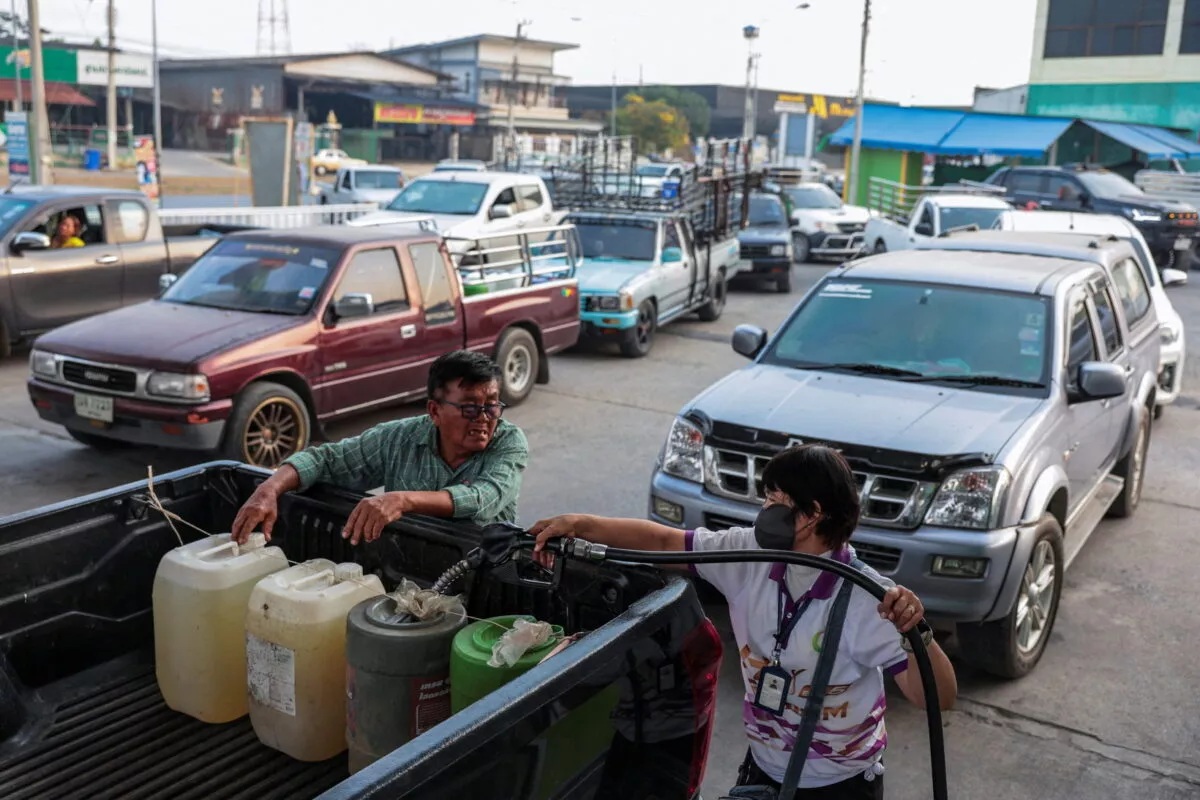
Thailand’s Ministry of Energy has announced an increase in the subsidy for liquefied petroleum gas (LPG) to stabilise domestic gas prices. This decision, however, increases the financial burden on the State Oil Fuel Fund, which is the government’s key instrument for regulating energy prices. The fund serves as the central mechanism for preventing sharp fluctuations in fuel prices, protecting consumers from the volatility of global markets.
The subsidy provided through the fund is being increased from 7.22 to 9.86 baht per kilogramme. This allows the retail price of LPG to be maintained at 423 THB (approximately 12 USD) per standard 15-kilogramme cylinder. This measure aims to prevent a negative impact on the prices of food, goods, and services essential to the daily lives of Thai people. Stabilising gas prices is critically important for small businesses, such as street-side cafés and restaurants, which rely heavily on LPG for cooking.
Officials have set a three-month cap on LPG prices, which will remain in force until 31 October this year. Veerapat Kiatfyingfu, Deputy Permanent Secretary of the Ministry of Energy, emphasised that the ministry is aware of the potential impact of fluctuations in global energy prices. He noted that the Petroleum Fuel Fund regulates both retail and wholesale prices for petroleum products, and also monitors LPG prices to prevent them from rising.
Instability in global energy markets persists due to conflicting reports emerging from the US and Iran. This uncertainty is raising concerns about the free passage of ships through the Strait of Hormuz — one of the most important strategic routes for oil transport. Any disruption to traffic through the strait immediately affects global prices, posing serious challenges for oil-importing countries such as Thailand.
The authorities are closely monitoring developments and continue to implement measures to ensure domestic energy security and price stability. These actions aim to maintain an acceptable standard of living for the population. Following recent measures to mitigate the impact of energy prices, the Ministry is closely monitoring the growing burden on the Petroleum Fuel Fund. As of 7 August this year, the fund’s deficit had reached 71.8 billion THB (approximately 2 billion USD), which illustrates the scale of the financial support provided by the state.
Mr Veerapat stated that the Ministry is actively working to manage the situation and prevent difficulties caused by the energy crisis. He also appealed to the public to cooperate in conserving energy and using it as efficiently as possible. This collective effort is crucial to easing the burden on the state budget and maintaining economic stability amid global uncertainty.
Read More Articles Here
Read More Articles Here