





The Kingdom’s authorities aim to diversify the economy by expanding the role of domestic production in cutting-edge technologies and high-value services.
The Thai Government is actively promoting a new economic development strategy aimed at the deep integration of Thai enterprises into global production and distribution chains. Deputy Prime Minister and Minister of the Interior Anutin Charnvirakul, speaking at the 2026 Prime Minister’s Export Award ceremony, emphasised that the country’s competitiveness should no longer be determined solely by the volume of exports.
The main focus is now on strengthening the participation of Thai businesses in all stages of global supply chains: from raw materials and components to advanced technologies, finished products and high-value services. This approach is designed to ensure more sustainable and diversified growth of the national economy in the context of an ever-changing global market.
To achieve these goals, the Thai government is accelerating negotiations on new free trade agreements (FTAs) with key countries and regions. At the same time, there are plans to make more effective use of agreements already in place, which will help reduce trade costs and open up new markets for Thai goods and services.
Anutin Charnvirakul shared his observations from meetings with representatives of Thai companies abroad. They expressed a desire to source raw materials and other products from Thailand, but faced obstacles in the form of high tariff barriers. Such restrictions significantly reduce the attractiveness of Thai goods on the international market.
The conclusion of a free trade agreement with the European Union, for example, could lead to the removal of tariffs of up to 25 per cent. This would significantly increase the role of Thai products – such as cooking oil, fish, meat, prawns, packaging materials and other types of raw materials – in European and global supply chains.
The Deputy Prime Minister noted that international trading partners hold the quality of Thai products in high regard. Their only request is for free trade agreements to be concluded more swiftly, in order to increase production volumes, orders and purchases from Thailand. This demonstrates significant potential for expanding cooperation.
Trade with countries covered by free trade agreements is expected to grow three to five times over. Such growth will lead to the creation of new jobs, an increase in household incomes and the emergence of numerous new business opportunities for Thai enterprises.
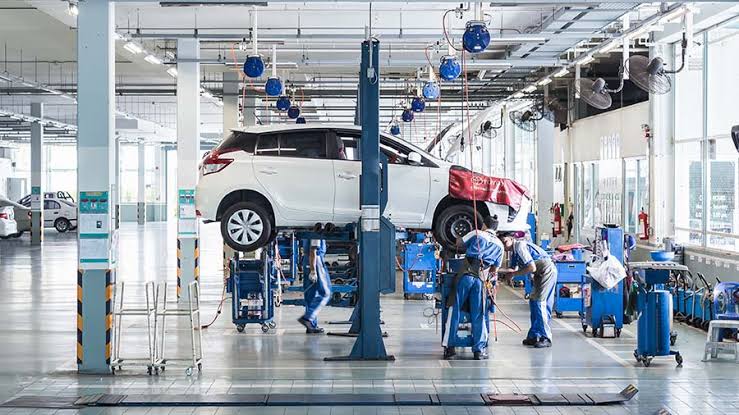
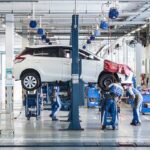
The government also intends to support the development of promising sectors actively. These include digital technologies, artificial intelligence, semiconductor manufacturing, advanced electronics, electric vehicles, biotechnology, modern healthcare, as well as green industries and clean energy. These sectors are seen as the driving forces behind Thailand’s future economic development.
In addition, the authorities will continue to remove regulatory barriers to trade and investment. A key objective is to diversify export markets in order to reduce dependence on any single market. Support will also be provided to businesses, particularly small and medium-sized enterprises, to help them gain broader access to global markets.
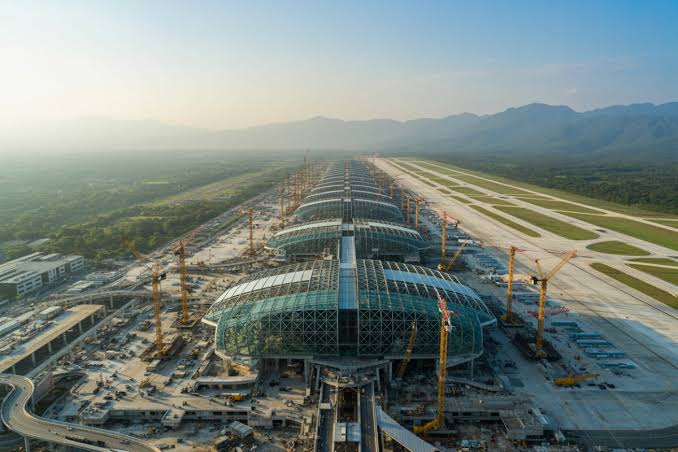
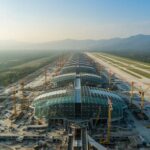
Thailand has already put in place the necessary infrastructure and energy resources to support these ambitious plans. Anutin Charnvirakul called on the business community to focus on expanding and developing their operations, as well as on increasing the value of their products, emphasising that the government would act as a reliable guide in helping them achieve their goals.
Read More Articles Here
Read More Articles Here